As I walked through the bustling aisles of the latest international cleaning expos, I found myself drawn to the ever-growing array of robotic cleaning technologies. These gadgets, once considered futuristic marvels, are now taking center stage, promising to revolutionize how we approach commercial cleaning across Australia. These innovations, due to land on our shores soon, are set to shake up the industry with their efficiency and cost-effectiveness. But how do they stack up in the real world? Are they ready to handle the unique challenges posed by our diverse commercial environments?
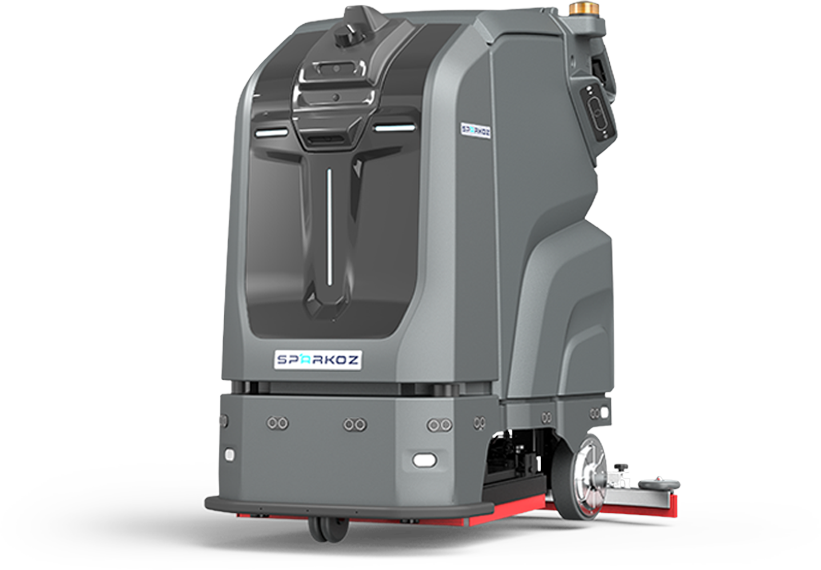
Robotic cleaning technology has been making waves globally, and for good reason. From autonomous floor scrubbers to window-cleaning drones, these devices are designed to tackle a variety of tasks with minimal human intervention. The global market for robotic cleaning solutions has been expanding rapidly, fueled by advances in AI, machine learning, and sensor technology. This growth is driven not only by the promise of reducing labor costs and increasing efficiency but also by the need for consistent and reliable cleaning standards in commercial spaces.
Globally, we’re seeing a surge in the development and deployment of these technologies. In Europe, for instance, companies like Kärcher and Nilfisk are leading the charge with their state-of-the-art autonomous scrubber-dryers. In the United States, Brain Corp’s AI-driven robots are being adopted in retail spaces, airports, and even hospitals. Meanwhile, in Asia, the demand for robotic cleaning solutions is skyrocketing, with local companies pushing the envelope in innovation and design.
Why does this matter for us in the cleaning industry? Quite simply, the introduction of these robotic solutions could be a game-changer. For starters, they offer the potential for significant cost savings. Labor is one of the most substantial expenses in commercial cleaning, and by reducing reliance on manual labor, businesses can redirect resources to other critical areas. Moreover, robots can work tirelessly around the clock, ensuring a level of consistency and thoroughness that's hard to match by human counterparts.
These robots are also equipped with advanced sensors and AI capabilities, allowing them to navigate complex environments and adapt to various cleaning needs. They can map out spaces, detect obstacles, and even learn from their environment to optimize their cleaning routes. This adaptability is crucial, especially in large commercial spaces where traditional cleaning methods may fall short.
As these technologies make their way to Australia, the implications for local businesses are significant. Australian cleaning companies are under increasing pressure to meet stringent standards and regulations, such as those outlined in the AS/NZS ISO 9001:2016 for quality management systems. Robotic cleaners can help maintain these standards by ensuring consistent cleaning quality and documentation, which is essential for compliance.
Moreover, as the Australian workforce continues to evolve, with shifts towards more flexible and remote work arrangements, the need for reliable and adaptable cleaning solutions is more crucial than ever. Robots can fill in the gaps, providing a dependable solution that complements the changing nature of workspaces.
With over 45 years in the cleaning industry, I’ve witnessed firsthand the evolution of cleaning technologies. From manual mops and buckets to sophisticated robotic solutions, the journey has been nothing short of remarkable. I’ve seen technologies come and go, but the current wave of robotic innovations feels different. They’re not just gadgets; they’re tools that can genuinely enhance our industry.
Yet, it's important to approach these innovations with a critical eye. While their potential benefits are clear, there are challenges to consider. Initial setup costs can be high, and integrating new technologies into existing operations requires careful planning and training. Moreover, the technology is only as good as the support and maintenance it receives. Choosing the right supplier who can provide ongoing support and updates is crucial.
For those of us in the industry, staying informed and adaptable is key. As robotic cleaning solutions continue to evolve, they’ll open up new opportunities for efficiency and growth. But they’ll also require us to rethink our traditional approaches and embrace change.
In summary, the arrival of cutting-edge robotic cleaning technologies in Australia presents both opportunities and challenges. For cleaning business owners, facility managers, and building service contractors, these innovations offer a chance to enhance service offerings, improve efficiency, and reduce costs. However, it’s essential to approach these changes with a strategic mindset, balancing the benefits with the practical realities of implementation.
As we look toward the future, it’s clear that robotic cleaning technologies are more than just a passing trend. They're an integral part of the industry's future, and those who embrace them will be well-positioned to lead the charge in delivering superior cleaning solutions. So, let’s keep our eyes on the horizon and prepare to welcome this new era of cleaning technology with open arms.
Rating
No ratings yet
Comments (0)
No comments yet. Be the first to share your thoughts!
Sign in or create an account to leave a comment and rate this content.